The Project
In Canada, more than 3.2 million people live with hearing loss. Although hearing aids are designed to help users hear better, the vast majority of these Canadians do not wear them, largely due to the high cost of hearing aids and difficulties in accessing hearing care.

Our project evaluates alternative listening devices (ALDs)— emerging technologies that are more accessible—to provide reliable information on their performance and use. The devices are first evaluated in the laboratory through standardized tests to verify their acoustic performance. Some devices are then tested by users in everyday situations and in the laboratory to measure their performance in improving speech comprehension, sound localization, and music listening.
Our goal
To help Canadian consumers identify hearing solutions that are accessible and tailored to their needs, including by creating a catalog of tested devices and their performance.
An article published by Audition Québec in November 2025 provides more details about the project.
If you can't find what you're looking for on our website, there are additional resources that can help you.
The Team
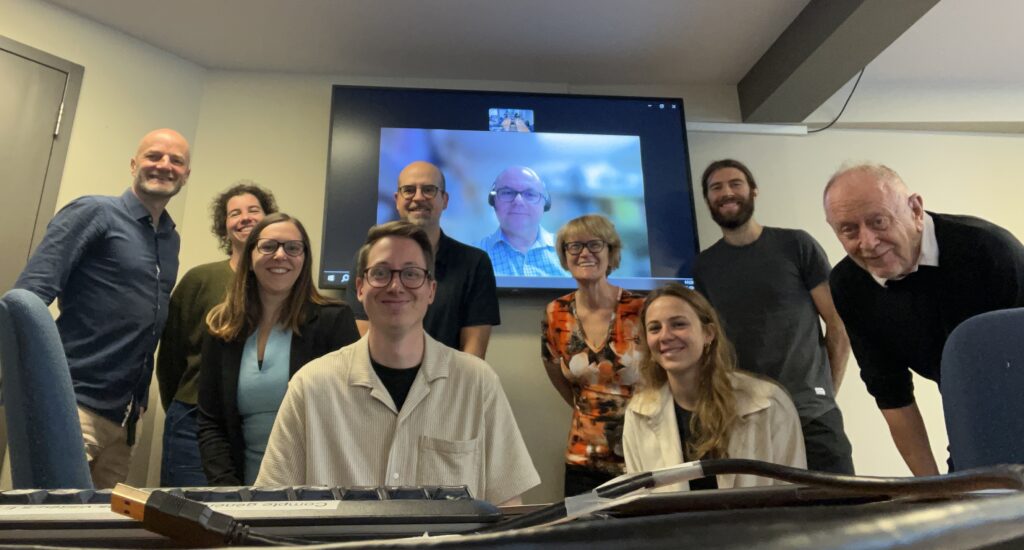
This project is the result of a collaboration between passionate researchers from the École de technologie supérieure, Laval University, and the National Research Council of Canada. It is led by a multidisciplinary team with expertise in acoustics and audiology.
About the Audiorama Website
Audiorama is an independent Canadian platform dedicated to reviewing affordable alternative listening devices.
Our mission: to enable everyone to make informed choices based on objective and independent data.
Developed by research teams at the École de technologie supérieure (ÉTS) and Laval University, in collaboration with the National Research Council of Canada (NRC), as part of the Aging in Place initiative, the project aims to make reliable scientific information on the performance of hearing assistance technologies accessible.
Devices are evaluated using standardized methods and experimental protocols that focus, in particular, on their electroacoustic performance, safety, and suitability for various listening situations.
The findings are intended for people living with hearing loss, their loved ones, hearing care professionals, and policymakers.
Partners
We also work closely with Audition Québec and Protégez-Vous, which help disseminate our research findings.